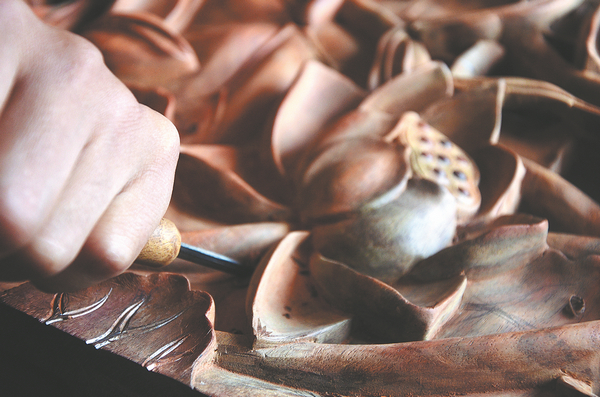
Lu Ban
Introduction
Lu Ban, an iconic figure in Chinese history, is celebrated as a master craftsman and inventor who lived during the Spring and Autumn Period (770-476 BC). His remarkable skills and ingenious inventions have left an indelible mark on Chinese culture, particularly in the fields of carpentry and architecture. Revered as the progenitor of Chinese construction, Lu Ban's legacy continues to inspire artisans and engineers even today.
Biography and Historical Context
Lu Ban, also known as Gongshu Ban, was born in the state of Lu, which is presently part of Shandong province, China. His era, the Spring and Autumn Period, was marked by significant cultural and technological advancements across China. Within this context, Lu Ban emerged as a pioneering figure in woodworking and construction, developing tools and techniques that greatly enhanced the efficiency and capabilities of craftsmen of his time.
Contributions to Carpentry and Construction
Lu Ban's contributions to carpentry are foundational. He is credited with the invention of several essential carpentry tools, including the saw, the plane, and the gimlet, which revolutionized woodworking practices. These tools facilitated more precise and efficient construction methods, laying the groundwork for the advanced architectural achievements that followed in Chinese history. Additionally, Lu Ban is believed to have conceptualized the design of wooden birds, which could fly, showcasing his innovative approach to engineering.
The Lu Ban Lock
One of Lu Ban's most enduring legacies is the "Luban lock", a traditional Chinese puzzle made of intricately interlocking wooden pieces. This puzzle, while seemingly simple to disassemble, poses a significant challenge when it comes to reassembly, requiring both patience and cognitive skill. The Luban lock embodies the intricate craftsmanship and intellectual depth associated with Lu Ban's work, and continues to captivate individuals worldwide as a symbol of Chinese ingenuity.
Cultural Legacy and Influence
The impact of Lu Ban's work extends beyond carpentry and construction. His name is synonymous with craftsmanship excellence in China, and he is often regarded as a deity or patron saint by carpenters and builders. Temples dedicated to Lu Ban exist in various parts of China, where he is worshipped and honored for his contributions to the trade and for the protection and guidance he is believed to provide to those in the craft.
Lu Ban in Modern Times
Lu Ban's influence persists in modern times through various educational and cultural initiatives. Workshops and training programs named after Lu Ban have been established to cultivate skills in fields such as carpentry and industrial technology, not only within China but also internationally. For instance, Lu Ban workshops in countries like Thailand and Ethiopia focus on skill development and vocational training, blending traditional craftsmanship with contemporary engineering practices.
The Lu Ban Workshop initiative represents a significant effort in transferring skills and knowledge internationally. Such workshops, particularly those established in African countries like Ethiopia, aim to bridge educational gaps by providing hands-on training in modern industrial techniques, inspired by Lu Ban's legacy. These initiatives symbolize the fusion of time-honored craftsmanship with modern technology, embodying the continuous relevance of Lu Ban's contributions.








